

Knee Ligament Injuries
Ligament Injuries in Colorado Springs, CO
Knee ligament injuries can cause sudden pain, swelling, instability, and difficulty putting weight on the affected leg. Whether an injury occurs during sports, exercise, a fall, or an accident, timely evaluation can help determine the severity of the damage and the most appropriate treatment. Knee ligament injury treatment in Colorado Springs, CO may include nonsurgical care, rehabilitation, bracing, or surgery depending on the ligament involved and the extent of the injury.
Dr. John C. Redfern, MD provides orthopaedic care for patients in Colorado Springs experiencing knee injuries involving the ACL, MCL, PCL, and other supporting structures of the knee. A thorough evaluation can help identify the injured ligament and determine whether the knee is stable or requires additional treatment.
Treatment for a ligament injury is individualized based on the type and severity of the injury, activity level, symptoms, and overall knee function. When appropriate, surgical treatment such as ligament reconstruction may be considered for certain significant injuries, particularly when persistent instability affects daily activities or a return to sports.
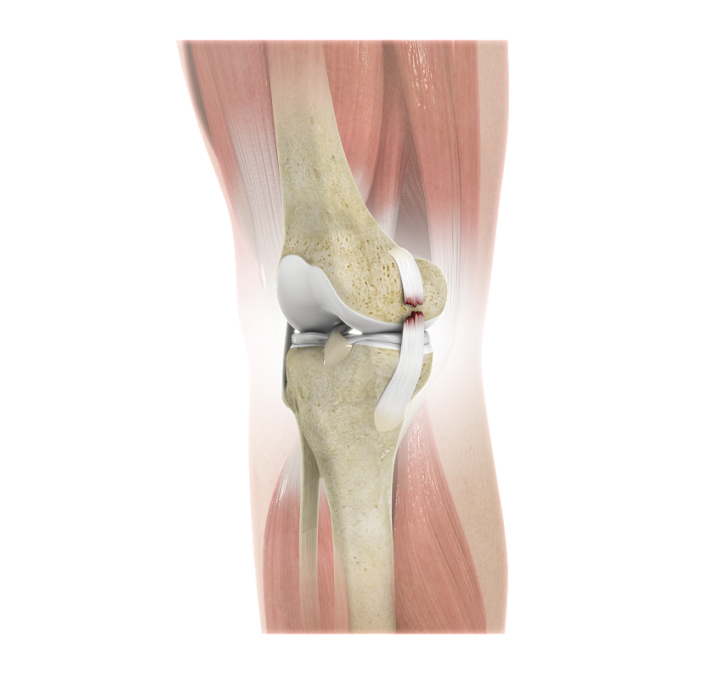
What is a Knee Joint Comprised Of?
The knee is a complex joint that consists of bone, cartilage, ligaments, and tendons that help in your joint’s movements.
The knee is a hinge joint made up of two bones, the thighbone (femur) and shinbone (tibia). Ligaments are tough bands of tissue that connect one bone to another bone. The ligaments of the knee stabilize the knee joint. There are two important groups of ligaments that hold the bones of the knee joint together, collateral and cruciate ligaments - medial collateral ligament (MCL) and lateral collateral ligament (LCL), and anterior cruciate ligament (ACL) and posterior cruciate ligament (PCL).
What are Knee Injuries?
Knee problems may arise if any of these structures get injured by overuse or suddenly during sports activities. Pain, swelling, and stiffness are the common symptoms of any damage or injury to the knee. The common causes of knee injury include:
- Fracture of the femur (thighbone) or tibia and fibula (leg bones)
- Torn ligament: either anterior or posterior cruciate ligament (ACL or PCL)
- Rupture of blood vessels following a trauma that leads to the accumulation of extra fluid or blood in the joint
- Dislocation of the kneecap (patella)
- Torn quadriceps or hamstring muscles
- Patellar tendon tear
What are the Types of Ligament Injuries?
The most common types of ligament injuries include:
ACL tear
An ACL injury is a sports-related injury that occurs when the knee is forcefully twisted or hyperextended. An ACL tear usually occurs with an abrupt directional change with the foot fixed on the ground or when the deceleration force crosses the knee. Changing direction rapidly, stopping suddenly, slowing down while running, landing from a jump incorrectly, and direct contact or collision, such as a football tackle, can also cause injury to the ACL.
MCL tear
The MCL is the ligament that is located on the inner part of the knee joint. It runs from the femur (thighbone) to the top of the tibia (shinbone) and helps in stabilizing the knee. MCL injuries can result in a stretch, partial tear or complete tear of the ligament. Injuries to the MCL commonly occur because of pressure or stress on the outside section of the knee.
PCL tear
PCL injuries are very rare and are more difficult to detect when compared to the other knee ligament injuries. Cartilage injuries, bone bruises, and ligament injuries often occur in combination with PCL injuries.
Injuries to the PCL can be graded as I, II or III depending on the severity of the injury. In grade I, the ligament is mildly damaged and slightly stretched, but the knee joint is stable. In grade II, there is a partial tear of the ligament. In grade III, there is a complete tear of the ligament and the ligament is divided into two halves, making the joint unstable.
The PCL is usually injured by a direct impact, such as in an automobile accident when the bent knee forcefully strikes the dashboard. In sports, it can occur when you fall to the ground with a bent knee. Twisting injury or overextending the knee can cause the PCL to tear.
How are Ligament Injuries Treated?
Immediately following a knee injury, before being evaluated by a doctor, you can initiate the R.I.C.E. method of treatment:
- Rest: Rest the knee, as more damage could result from pressure on the injury.
- Ice: Ice packs can be applied to the injured area to reduce swelling and pain. Never place ice directly over the skin. Ice should be wrapped in a towel and applied to the affected area for 15-20 minutes, four times a day for several days.
- Compression: Wrapping the knee with an elastic bandage or compression stocking can help minimize the swelling and support your knee.
- Elevation: Elevating the knee above the heart level will also help reduce swelling and pain.
It is important to seek your doctor’s advice if you hear a popping noise or feel as if your knee has given way at the time of injury and if you are unable to move your knee because of severe pain.
Why Choose Dr. John C. Redfern for Ligament Injuries in Colorado Springs?
Knee ligament injuries can vary significantly in severity, and an accurate diagnosis is important for developing an appropriate treatment plan. Dr. John C. Redfern, MD has a particular interest in arthroscopic and open techniques for knee and shoulder disorders, along with specialized training in orthopaedic sports medicine.
Patients with ligament injuries in Colorado Springs, CO can receive an individualized evaluation based on their symptoms, physical examination, imaging studies, activity level, and treatment goals. Depending on the injury, treatment may focus on restoring knee stability, improving function, reducing symptoms, and helping patients safely return to their desired activities.
Ligament Injuries FAQs
Schedule a Ligament Injury Evaluation in Colorado Springs, CO
A knee ligament injury can affect your ability to walk, exercise, work, or participate in sports. If you have experienced a knee injury and are dealing with pain, swelling, instability, or difficulty moving the knee, Dr. John C. Redfern, MD can evaluate your condition and discuss appropriate treatment options.
Contact the office to schedule an orthopaedic evaluation for knee ligament injuries in Colorado Springs, CO. Whether your injury can be managed conservatively or requires surgical treatment, your care plan can be tailored to the specific ligament injury and your individual needs.
Patient Services and Care Coordination
Our team can assist with appointments and general inquiries.