

Knee Sports Injuries
Sports-related knee injuries can affect athletes and active individuals of all ages, causing pain, swelling, stiffness, instability, or difficulty returning to normal activities. Sudden changes in direction, awkward landings, falls, collisions, and repetitive stress can contribute to injuries involving the ACL, meniscus, cartilage, and other structures of the knee. For athletes and active patients, evaluation and appropriate treatment of sports-related knee injuries in Colorado Springs, CO can help address symptoms and support a safe return to activity.
Dr. John C. Redfern, MD provides orthopaedic and sports medicine care for patients in Colorado Springs with knee injuries related to sports and physical activity. Depending on the type and severity of the injury, treatment may include activity modification, bracing, physical therapy, medication, injections, or surgical treatment when appropriate.
Because every sports injury is different, treatment is based on the specific structures involved, the severity of the injury, the patient's activity level, and individual goals. Whether you are dealing with a new knee injury or persistent symptoms that are limiting your athletic performance, an orthopaedic evaluation can help determine the appropriate next steps.
What are Knee Sports Injuries?
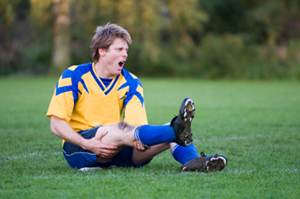
Trauma is any injury caused during physical activity, motor vehicle accidents, electric shock, or other activities. Sports trauma or sports injuries refer to injuries caused while playing indoor or outdoor sports and exercising. Sports trauma can result from accidents, inadequate training, improper use of protective devices, or insufficient stretching or warm-up exercises. The most common sports injuries are sprains and strains, fractures, and dislocations.
What Does Treatment for Knee Sports Injuries Involve?
Anterior cruciate ligament (ACL) is a major stabilizing ligament in the knee which may tear with overuse of the knee while playing sports. The ACL has poor ability to heal and may cause instability. Other common sports injuries in the knee are cartilage damage and meniscal tear. Knee injuries in sports may require surgical intervention that can be performed using open surgical or minimally invasive technique. Your surgeon will recommend physical therapy to strengthen your muscles, improve elasticity and improve the movements of the bones and joints.
The most common treatment recommended for injury is rest, ice, compression and elevation (RICE).
- Rest: Avoid activities that may cause injury.
- Ice: Ice packs can be applied to the injured area which will help to diminish swelling and pain. Ice should be applied over a towel to the affected area for 15-20 minutes four times a day for several days. Never place ice directly over the skin.
- Compression: Compression of the injured area helps to reduce swelling. Elastic wraps, air casts, and splints can accomplish this.
- Elevation: Elevate the injured part above heart level to reduce swelling and pain.
How Can Knee Sports Injuries be Prevented?
Some of the measures that are to be followed to prevent sports-related injuries include:
- Follow an exercise program to strengthen the muscles.
- Gradually increase your exercise level and avoid overdoing the exercise.
- Ensure that you wear properly-fitted protective gear such as elbow guards, eye gear, facemasks, mouthguards, and pads, comfortable clothes, and athletic shoes before playing any sports activity which will help to reduce the chances of injury.
- Make sure that you follow warm up and cool down exercises before and after sports activity. Exercises will help to stretch the muscles, increase flexibility, and reduce soft tissue injuries.
- Avoid exercising immediately after eating a large meal.
- Maintain a healthy diet which will nourish the muscles.
- Avoid playing when you are injured or tired. Take a break for sometime after playing.
- Learn all the rules of the game you are participating in.
- Ensure that you are physically fit to play the sport.
Why Choose Dr. John C. Redfern for Sports-Related Knee Injuries in Colorado Springs?
Sports-related knee injuries can involve multiple structures and may range from mild sprains to significant ligament, meniscus, or cartilage injuries. An accurate diagnosis is important for determining whether an athlete can safely continue activity or requires a period of rest, rehabilitation, or additional treatment.
Dr. John C. Redfern, MD has a particular interest in arthroscopic and open techniques for knee and shoulder disorders and has specialized training in orthopaedic sports medicine. Patients in Colorado Springs, CO can receive an individualized evaluation based on their injury, symptoms, physical examination, imaging findings, activity level, and goals for returning to sports or other physical activities.
When surgery is appropriate, arthroscopic or open techniques may be considered depending on the specific injury. Treatment may also incorporate rehabilitation designed to improve strength, mobility, stability, and overall knee function.
Sports-Related Knee Injuries FAQs
Schedule a Sports Knee Injury Evaluation in Colorado Springs, CO
A knee injury can keep you away from the sports and activities you enjoy. If you have experienced a sports-related knee injury or continue to have pain, swelling, stiffness, or instability after an athletic injury, Dr. John C. Redfern, MD can evaluate your condition and discuss appropriate treatment options.
Contact the office to schedule an orthopaedic evaluation for sports-related knee injuries in Colorado Springs, CO. Your treatment plan can be tailored to the specific injury, your activity level, and your goals for returning to an active lifestyle.
Patient Services and Care Coordination
Our team can assist with appointments and general inquiries.