

Acromioclavicular (AC) Joint Injuries
AC Joint Injuries in Colorado Springs, CO
AC joint injuries in Colorado Springs, CO can cause pain, tenderness, swelling, and difficulty moving the shoulder, particularly when lifting the arm or placing weight through the joint. The acromioclavicular (AC) joint is located at the top of the shoulder where the collarbone meets the acromion of the shoulder blade. Ligaments and surrounding muscles help stabilize this joint and allow the shoulder to move normally.
AC joint injuries commonly occur after a fall directly onto the shoulder or during sports and activities that place stress on the shoulder. Contact sports, cycling, skiing, skating, weightlifting, and physically demanding work can increase the risk of injury. Depending on the severity, an injury may cause stretching or tearing of the supporting ligaments and result in an AC joint separation.
Dr. John C. Redfern, MD, provides orthopaedic evaluation and treatment for patients in the Colorado Springs area experiencing shoulder pain and AC joint injuries. Diagnosis may include a physical examination and imaging such as X-rays, MRI, CT scans, or ultrasound when appropriate. Treatment is tailored to the severity of the injury and may include rest, ice, medications, physical therapy, and other conservative measures. More significant injuries may require further orthopaedic treatment.
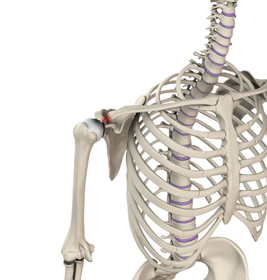
What is an AC Joint Injury?
The acromioclavicular (AC) joint in the shoulder is very important for shoulder strength, motion, and maintaining shoulder position. The joint is stabilized by various ligaments and a capsule, which can cause pain and affect normal joint function if damaged.
What is the Anatomy of the AC Joint?
The AC joint is located at the highest point of the shoulder, where the acromion, a bony projection on the shoulder blade, connects to the clavicle or collarbone. This joint enables you to lift your arm above your head and is important for overall shoulder control, motion, and strength.
The AC joint is stabilized by the following structures:
- Capsular ligaments: These ligaments are called the acromioclavicular ligaments. They have upper and lower components and resist separation of the joint in the horizontal direction.
- Extracapsular stabilizers: These are ligaments extending from the bony process of the scapula called the coracoid process to the clavicle (coracoclavicular ligaments) and the acromion (coracoacromial ligaments). These ligaments resist vertical forces from separating the joint.
- Muscular attachments: The deltoid muscle on the outside of the shoulder and the trapezius muscle in the upper back and neck also help stabilize the acromioclavicular joint.
An injury to the AC joint, particularly the ligaments, can result in instability or separation of the AC joint (shoulder separation), causing pain and discomfort and limiting shoulder function.
What Causes AC Joint Injuries?
Injuries to the AC joint commonly occur due to:
- Falling onto the shoulder
- Lifting heavy objects or weights
What are the Risk Factors for AC Joint Injuries?
Various situations which can result in an AC joint injury include:
- Participating in contact sports
- Participating in activities that increase your risk of falls, such as skiing, biking, or skating.
- Weightlifting
- Physically strenuous jobs
What are the Symptoms of AC Joint Injuries?
Signs and symptoms of AC joint injuries include:
- Pain over the AC joint at the top of the shoulder
- Tenderness at the top of the shoulder
- A bump over the shoulder
- Swelling
- Bruising
- Shoulder tightness and loss of motion
- Pain with lifting the arm
How are AC Joint Injuries Diagnosed?
Your doctor will review your symptoms and medical history. A thorough physical examination is performed to check for a range of motion, blood flow, stability, and strength of the joint. Other diagnostic tests include:
- X-ray
- MRI
- CT scan or ultrasound for a detailed evaluation of the joint.
What is the Treatment for AC Joint Injuries?
In most cases, the following conservative treatment methods are quite effective in treating the injury:
- Resting the joint for prolonged periods
- Application of an ice pack at regular intervals to reduce pain and swelling
- Use of anti-inflammatory medications
- Physical therapy to help strengthen the shoulder muscles and improve range of motion.
Why Choose Dr. John C. Redfern for AC Joint Injuries in Colorado Springs?
An AC joint injury can make everyday activities such as reaching overhead, lifting objects, exercising, or participating in sports uncomfortable. Dr. John C. Redfern, MD provides orthopaedic evaluation and treatment for patients in Colorado Springs, COlorado, experiencing AC joint injuries and other shoulder conditions.
Accurate diagnosis is important because the severity of an AC joint injury can vary. A comprehensive evaluation can help determine whether the joint is sprained, separated, or affected by another shoulder condition. Depending on the injury, treatment may focus on reducing pain and swelling, restoring shoulder motion and strength, and helping the patient safely return to normal activities.
Patients in Colorado Springs can discuss their symptoms, injury mechanism, activity requirements, and treatment goals with Dr. Redfern to develop an individualized approach to care.
AC Joint Injuries FAQs
Schedule an AC Joint Injury Consultation in Colorado Springs
Pain at the top of your shoulder after a fall, sports injury, or strenuous activity may be a sign of an AC joint injury. Getting an accurate diagnosis can help guide appropriate treatment and support a safe return to your normal activities.
Dr. John C. Redfern, MD provides orthopaedic care for patients in Colorado Springs, CO, including evaluation and treatment for AC joint injuries and other shoulder conditions. If you are experiencing persistent shoulder pain, tenderness, swelling, or difficulty moving your shoulder after an injury, schedule an orthopaedic consultation to discuss your symptoms and treatment options.
Contact Dr. John C. Redfern in Colorado Springs to take the next step toward appropriate evaluation and care for your AC joint injury.
Patient Services and Care Coordination
Our team can assist with appointments and general inquiries.